A trucking business plan is a written document that maps out how your company will make money. It should include an executive summary, a company description, a market analysis, your services, a marketing strategy, startup costs, and cash flow projections. Lenders and investors expect to see one before financing trucks or working capital.
This guide walks through every section step by step. Whether you're interested in hotshot trucking or traditional freight hauling, the plan is essential.
A trucking business plan is not just a formality. It is a vital tool for securing financing and guiding your operations.
Understanding the industry landscape is crucial. It helps you identify opportunities and challenges in the trucking sector.
Your business plan should include key components like market analysis and financial projections. These elements provide a clear picture of your business's potential.
Hotshot trucking requires a specific approach. This guide will cover the unique aspects of a hotshot trucking business plan.
By following these steps, you can create a solid foundation for your trucking business. Let's get started on your journey to success.
Why You Need a Trucking Business Plan
A trucking business plan is more than just a document; it's a strategic tool. It provides clarity and direction in the often complex world of transportation.
Investors and lenders want a solid business plan. It shows that you've thought through your business model and understand the market.
A well-prepared plan is not just for outsiders. It also helps internal stakeholders align with the business's goals and vision.
Consider these benefits of having a detailed trucking business plan:
- Secures Funding: Demonstrates financial viability to potential investors and lenders.
- Guides Operations: Helps in day-to-day decision-making and long-term planning.
- Identifies Opportunities: Highlights market trends and potential business growth areas.
- Mitigates Risks: Prepares you for challenges and unexpected situations.
Creating this plan is a critical step. It sets the foundation for your business's success and sustainability.

Understanding the Trucking Industry Landscape
To build a successful trucking business, understand the industry’s landscape. This knowledge will guide strategic decisions and planning efforts.
The trucking industry is dynamic and influenced by numerous factors. Economic shifts, fuel prices, and regulatory changes play significant roles. Keeping up with these trends is essential for business longevity.
Start by researching current market trends. Understanding demand in freight, logistics, and specific niches like hotshot trucking is crucial. Are there emerging opportunities? Dig into market reports and statistics.
Consider the following key industry components:
- Economic Indicators: Look at GDP growth and fuel price trends.
- Regulatory Environment: Stay updated on compliance and policy changes.
- Technological Advances: Explore new tools like GPS tracking.
Industry connections can also provide insights. Networking with peers, attending workshops, and participating in industry forums is valuable. Engaging with experts sharpens your business acumen and helps anticipate market movements.
Understanding this landscape requires a commitment to ongoing learning. It will position your business to adapt and thrive in changing conditions.
Step 1: Executive Summary
The executive summary is a crucial part of your trucking business plan. It offers a concise overview of your company’s objectives and strategies, serving as the first impression for potential investors.
This section should clearly communicate your business idea. Focus on what sets your business apart and articulate your vision succinctly. Highlight key elements such as your target market, unique services, and growth potential.
When crafting your executive summary, consider including:
- Business Goals: Outline your primary goals and timelines.
- Market Position: Explain your target market and competitive edge.
- Financial Overview: Provide snapshots of projected financial success.
A well-crafted executive summary captivates and engages readers. Keep it clear, compelling, and direct to persuade stakeholders of your trucking business’s viability. This summary sets the stage for the details outlined in the rest of the plan.
Step 2: Company Description
The company description is where you paint a detailed picture of your trucking enterprise. It should provide readers with a full understanding of your business’s identity and offerings.
Start by introducing the business structure. Is it a sole proprietorship, partnership, or corporation? Clearly state the legal framework. This helps to define how the company is run and the roles of stakeholders.
Next, describe your ownership. List the owners and their stakes. This section might include background details, highlighting each owner’s relevant experience and expertise.
Include key points such as:
- Business Structure: Type of legal entity.
- Ownership Information: Names and profiles of owners.
- Service Offerings: Types of trucking services provided.

Finally, mention the unique services your trucking company offers. Do you specialize in freight hauling, hotshot trucking, or something different? Highlight your specialization to show what sets you apart. This clarity not only attracts investors but also aligns your business focus with market needs.
Step 3: Market Analysis and Research
Market analysis is vital to understand where your business fits in the trucking industry. Begin by exploring current industry trends. Recognizing these trends enables better decision-making and strategic planning.
Research your industry’s size and growth potential. Identify the revenue streams and major players. This knowledge helps you position your business effectively.
A thorough market analysis should include:
- Industry Trends: Current changes and future predictions.
- Market Size: Estimate of potential revenue.
Next, assess the needs and expectations of your target customers. Understanding these can guide your service offerings. Consider the demographics, locations, and industry sectors you will serve.
List key aspects like:
- Customer Needs: What they seek in a trucking service.
- Geographic Focus: Areas or regions to target.

Wrap up your analysis by identifying opportunities and threats. Use a SWOT analysis to pinpoint strengths and areas for growth. This helps craft a strategy that aligns with your business goals and market demands.
Identifying Your Target Market
Identifying your target market is essential for a trucking business's success. Understanding who you serve informs your services and marketing strategies.
Focus on the specific market segments most likely to use your services. Determine factors like industry type, freight size, and delivery speed.
- Industry Segmentation: Types of industries to target.
- Customer Characteristics: Specific needs they have.
Define your target market clearly. This clarity aids in reaching the right audience and tailoring your services accordingly.
Analyzing Competitors
Competitor analysis helps you understand where you stand in the marketplace. It reveals strengths to emulate and weaknesses to exploit.
Evaluate the strengths and strategies of your main competitors. Identify what they do well and areas where they fall short.
- Competitor Strengths: Where they excel.
- Market Opportunities: Potential gaps you can fill.
Understanding competitors enables you to carve out a niche. This knowledge helps refine your offerings and anticipate market moves.
Step 4: Organization and Management Structure
Organizing your business structure is pivotal to its success. Clearly define roles and responsibilities. This clarity ensures smooth operations and effective decision-making.
The organizational structure should reflect your business goals. Consider what structure best supports your operations. Whether it's a sole proprietorship, partnership, or corporation, the choice impacts management and legal responsibilities.
Introduce your management team with a focus on their expertise. Highlight their roles and how they contribute to the business's strategic objectives. A competent team leads to better management of business operations and growth.
A well-articulated organization and management plan might include:
- Business Structure: Type (LLC, partnership, etc.).
- Key Personnel: Names, roles, and expertise.
- Decision-Making Process: How key decisions are made.

Finally, ensure your management structure supports scalable growth. As your business expands, your organizational plan should adapt to accommodate new challenges and opportunities. This adaptability is crucial for long-term sustainability.
Step 5: Services and Operations Plan
Defining your services is key to attracting customers. It's important to clearly detail what your trucking company offers. This clarity helps position your business in the market.
Start by outlining the types of services you provide. Whether you're focusing on freight hauling, hotshot trucking, or specialized transport, each needs careful planning. Specify what sets your services apart from others.
Next, design your operations plan. This includes routing systems, delivery timelines, and fleet management. Planning ensures efficiency and helps manage resources well.
Consider these aspects in your services plan:
- Service Types: Freight hauling, hotshot trucking, etc.
- Differentiators: Unique value propositions.
Your operations plan might detail:
- Logistics: Scheduling, routing, fleet maintenance.
- Technology: Use of GPS and management software.

By focusing on these elements, you establish a concrete foundation for your business's day-to-day activities. Ensuring these operations run smoothly is vital for long-term success.
Hotshot Trucking Business Plan Considerations
Hotshot trucking has unique requirements. It's crucial to address these in your business plan. This approach aligns your operations with industry demands.
Firstly, understand the nature of hotshot trucking. It involves smaller, time-sensitive loads. This requires prompt service and agility.
Focus on specific industry needs:
- Type of Loads: Small and time-critical.
Operational efficiency is critical for hotshot trucking. Quick decision-making processes and flexible management systems are vital. Adaptability to changing client needs ensures customer satisfaction.
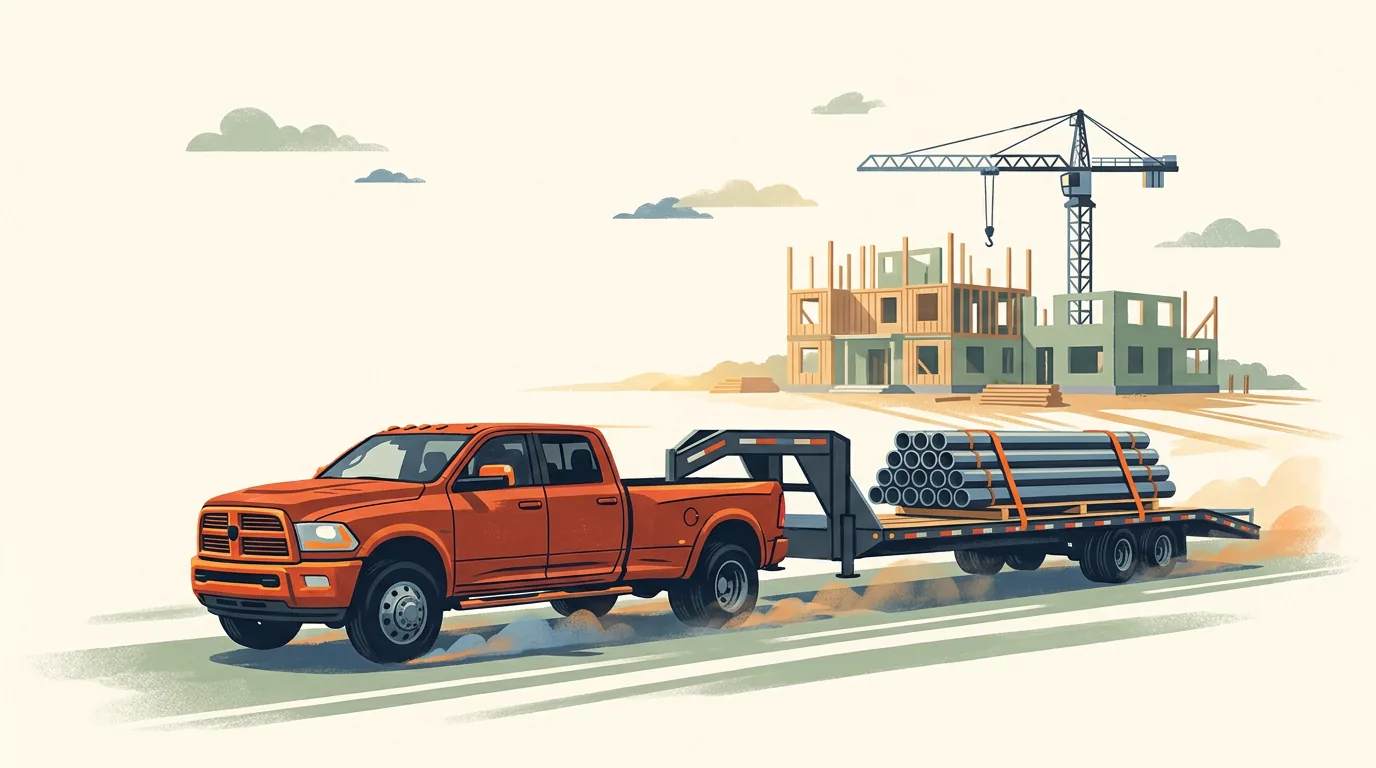
By integrating these elements, you tailor your business plan to meet the unique challenges of hotshot trucking. This specialization can differentiate your business in a competitive market.
Step 6: Marketing and Sales Strategies
A strong marketing plan drives your trucking business forward. It's crucial for attracting and keeping customers. Start by identifying your target audience and crafting strategies to reach them.
Effective marketing includes several key elements. Online presence is vital, particularly having a website that highlights your services. Social media can also help you connect with potential clients.
Consider these marketing strategies:
- Online Presence: Website, social media platforms.
- Advertising: Local ads, industry publications.
Sales strategies should work hand in hand with marketing efforts. Create a clear sales approach that focuses on building relationships. Use both traditional networking and digital sales techniques.
Here are potential sales tactics:
- Networking: Industry events, forums.
- Digital Outreach: Email campaigns, targeted ads.

Continuously evaluate your marketing and sales efforts. Adjust as needed to meet market demands and customer expectations. This proactive approach ensures your business remains competitive and successful.
Step 7: Funding Request and Financial Planning
Securing funding is a crucial part of launching a trucking business. Investors and lenders need clear information about how much funding you need. They also want to know how you plan to use the funds.
When preparing your funding request, detail the amount you require. Explain how the funds will be allocated. This breakdown adds transparency and builds trust.
Here’s how you can organize your funding request:
- Amount Needed: Clearly state the total funds required.
- Purpose: Explain the planned use of the funds (e.g., fleet purchase, operational costs).
Funding also ties into your broader financial plan. This includes outlining potential revenue sources and projecting your expenses. A comprehensive financial plan is key for demonstrating business viability.
Key components of a financial plan include:
- Revenue Streams: Freight charges, express deliveries.
- Expenses: Fuel, maintenance, drivers’ salaries.

Be sure to highlight any past successes or financial stability. This strengthens your case when seeking investment. Continually revisit and update your financial plans to reflect changing conditions and goals.
Financial Projections
Financial projections are a roadmap for your trucking business. They provide insight into future performance. This section should cover your expected income and expenses over the next three to five years.
Start with an income statement. Detail your expected revenue streams and related costs. Ensure accuracy by basing assumptions on market research.
Here’s a suggested layout for financial projections:
- Income Statement: Projected profits and losses.
- Cash Flow Statement: Expected cash inflows and outflows.
Next is the cash flow projection. Show how money will move through the business. This highlights potential shortfalls and helps in planning.

Finally, outline your balance sheet projections. Indicate assets, liabilities, and equity. This gives a complete view of your financial health. Regularly updating these projections can guide strategic decisions and demonstrate fiscal responsibility.
Startup Costs and Cash Flow: The Numbers Lenders Check First
Every trucking business plan lives or dies on two sets of numbers: what it costs to start, and how cash moves once you're running. Lenders read these sections before anything else.
Your startup cost section should itemize, with realistic ranges rather than guesses:
- Authority and registration: FMCSA filing fees, BOC-3, IRP plates, permits.
- Insurance: down payment plus the annual premium — typically the largest early expense after the truck.
- Equipment: truck and trailer purchase or down payment, plus an initial maintenance reserve.
- Working capital: fuel, payroll, and fixed costs to survive the gap before your first invoices pay.
Ground these figures in your actual operating math. Run your projected fixed and variable costs through a cost-per-mile calculator to establish your break-even rate, then stress-test your revenue assumptions with a trucking profit calculator. Plans built on real cost-per-mile numbers read as credible; plans built on hopeful averages don't.
The cash flow section must then answer the industry's defining problem: brokers commonly pay in 30 to 90 days, while fuel and payroll are due immediately. State plainly how you will bridge that gap — cash reserves, quick pay, or invoice factoring. Many new carriers build same-day factoring into their plan from day one, because it converts delivered loads into working capital within hours and removes the receivables gap from the model entirely. Whatever your approach, showing that you've planned for the payment gap tells lenders you understand how trucking actually works.
Step 8: Risk Management and Compliance
Risk management is vital to maintaining a secure and efficient trucking operation. By identifying potential risks, you can mitigate issues before they occur.
Begin by understanding the regulatory requirements for trucking. Compliance ensures your business operates within legal frameworks. This includes obtaining necessary permits and licenses.
Consider key areas in risk management:
- Insurance: Protects against accidents and liabilities.
- Regulatory Compliance: Adheres to state and federal laws.
- Safety Protocols: Reduces accident risks and improves driver safety.
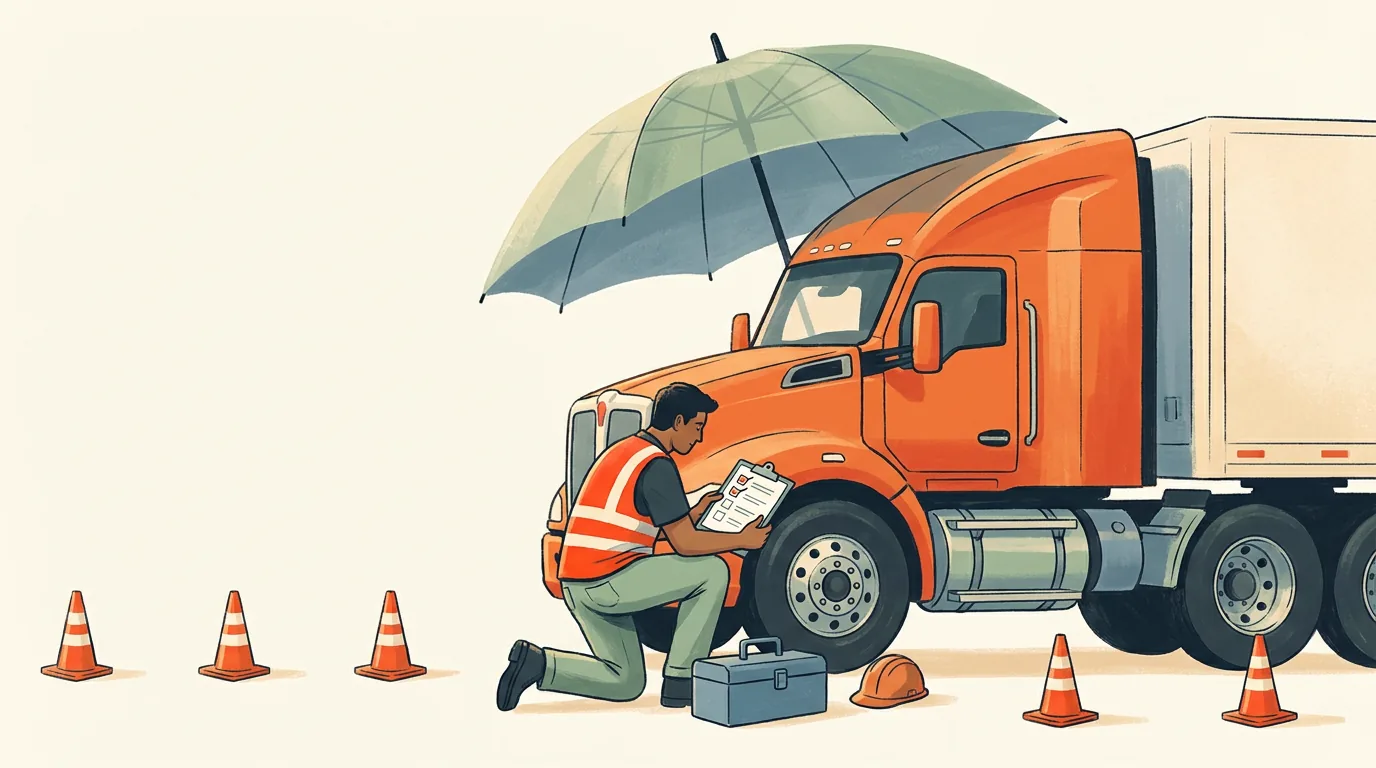
Insurance is a critical component, covering potential liabilities and damages. Evaluate different policies to ensure comprehensive coverage. Proper insurance also builds credibility with clients and partners.
Implementing robust safety protocols is non-negotiable. Regular vehicle checks and driver training can prevent accidents. Compliance with safety standards helps avoid fines and improve efficiency.
Staying informed about regulatory changes is imperative. Adapt your business practices to remain compliant. Regular audits and reviews will help maintain high standards and avoid costly penalties.
Step 9: Technology and Efficiency in Trucking
Incorporating technology can significantly boost the efficiency of your trucking operations. Modern tools simplify fleet management and enhance decision-making.
Consider adopting GPS tracking for real-time vehicle monitoring. This helps optimize routes and reduce fuel consumption. Moreover, it improves customer satisfaction by providing accurate delivery estimates.

Fleet management software centralizes operations. It tracks maintenance schedules and analyzes performance metrics. This results in reduced downtime and increased productivity. Furthermore, it helps identify areas for cost-saving.
Key technological tools for trucking include:
- GPS Tracking: Enhances route planning and efficiency.
- Fleet Management Software: Streamlines operations and maintenance.
- Telematics: Monitors vehicle health and driver behavior.
Embracing technology not only improves efficiency but also offers a competitive edge. Staying ahead in the tech curve can position your trucking business for long-term success. Constantly evaluate emerging technologies and integrate those that align with your business goals.
Step 10: Sustainability and Future Growth
Sustainability in the trucking industry isn't just about reducing emissions. It's a strategic approach for future growth. Implementing eco-friendly practices can lower costs and boost your brand’s reputation.
Consider investing in fuel-efficient vehicles or exploring alternative fuels. This reduces your carbon footprint while saving money. Customers are more likely to support businesses with green initiatives.
Promoting sustainability can also lead to new opportunities. Networking within green business circles can introduce you to new markets or partners. Your business could become a model for sustainability in your region.
Key sustainability strategies include:
- Fuel-Efficient Vehicles: Reduce emissions and save fuel costs.
- Alternative Fuels: Explore biodiesel or electric trucks.
- Efficient Routing: Minimizes fuel consumption.
Planning for future growth involves keeping sustainability at the core. Integrating green practices can pave the way for a thriving business that meets both economic and environmental goals.
Reviewing and Updating Your Trucking Business Plan
Regularly reviewing your trucking business plan is crucial for staying relevant. The industry changes quickly, and your plan should reflect these shifts.
Schedule periodic reviews every six months or annually. This ensures that your strategies are updated to meet current trends and challenges.
Key aspects to review:
- Market Conditions: Assess industry and economic trends.
- Financial Performance: Compare projections with actual performance.
- Operational Changes: Adjust services or operations based on demand.
Consistent updates can help maintain your business’s focus and adaptability. A well-maintained plan sets the foundation for long-term success.
Common Mistakes to Avoid in Your Trucking Business Plan
Creating a trucking business plan involves many elements. However, common errors can undermine your efforts.
Avoid these mistakes to ensure a solid foundation:
- Overly Ambitious Projections: Base financials on realistic data.
- Lack of Market Research: Understand industry trends and competitor strengths.
- Ignoring Regulatory Requirements: Compliance is essential for operation.
By steering clear of these pitfalls, your plan will be more effective. A thoughtful, well-structured approach is key to success.
Trucking Business Plan Template and Resources
A trucking business plan template can simplify the process significantly. It provides structure and ensures no crucial component is missed.
Here are some useful resources:
- SBA Business Plan Tool: Offers a free template.
- Score.org Templates: Provides downloadable business plan examples.
- Local Small Business Centers: Often have workshops and guides.
Utilizing these resources can streamline your planning efforts. They offer guidance and framework, making your business plan more effective and comprehensive.
Conclusion: Your Roadmap to Success
Crafting a trucking business plan is vital for your business's success. It serves as a roadmap, guiding each decision and action.
By following the essential steps outlined, you ensure nothing is overlooked. Each section builds on the next, creating a strong foundation for growth.
Regular reviews and updates to your plan are crucial. This allows you to adapt to industry changes and seize new opportunities. Your well-developed plan will lead your trucking business to success.
Trucking Business Plan FAQ
How much does it cost to start a trucking company?
Most new single-truck authorities launch on roughly $15,000 to $40,000 with financed equipment — covering CDL training if needed, business formation, FMCSA authority, insurance down payment, plates, and a working capital reserve. Your plan should itemize each line with ranges; see our full guide to starting a trucking company for a typical cost breakdown.
What should a trucking business plan include?
Eight core sections: an executive summary, company description, market analysis, organization and management structure, services and operations plan, marketing strategy, startup costs, and financial projections including cash flow. Lenders weight the financial sections most heavily, so build them on real cost-per-mile math rather than industry averages.
Do I need a business plan to get my trucking authority?
No — the FMCSA doesn't require one to grant an MC number. But you will need one to secure equipment financing, attract investors, or qualify for many business credit products, and writing one forces the cost and cash flow analysis that keeps new carriers alive through their first year.